How to Make Custom Shipping Boxes is an important question for businesses that need packaging designed specifically for their products. A Custom Shipping Box is more than a simple container. Its size, material, thickness, structure, printing, and protective performance all need to match the product and transportation requirements.
For businesses ordering packaging in bulk, working with a professional custom shipping box manufacturer can simplify the process. From structural design and material selection to printing, die-cutting, folding, gluing, and quality inspection, manufacturers can produce custom shipping boxes according to specific product and branding requirements.
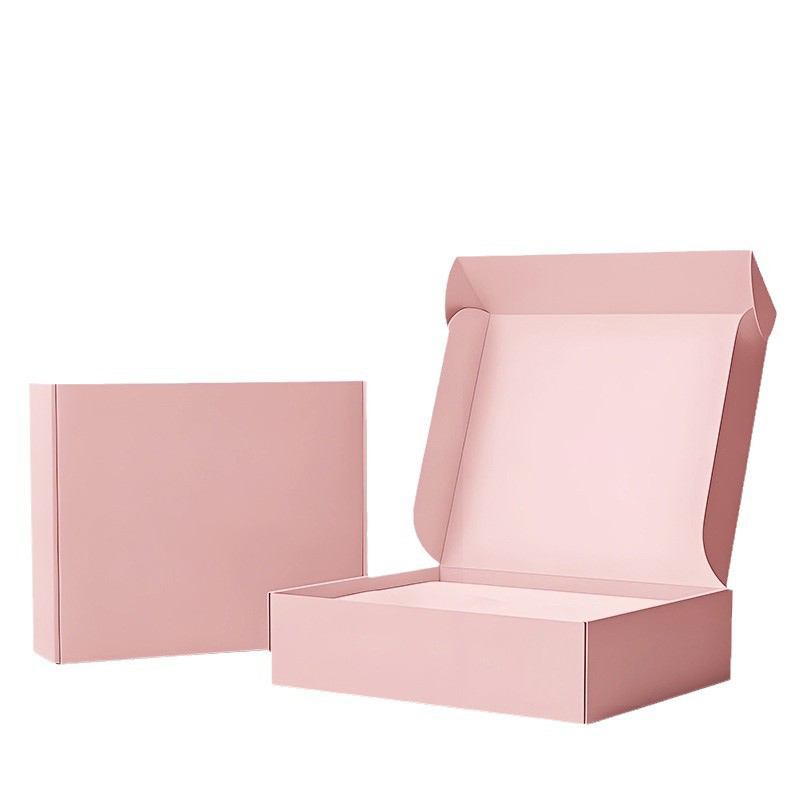
What Are Custom Shipping Boxes?
Custom shipping boxes are packaging boxes designed and manufactured according to the dimensions, weight, protection requirements, and branding of a specific product.
Unlike standard stock boxes, custom cardboard shipping boxes can be made with customized:
Length
Width
Height
Shape
Thickness
Material
Color
Printing
Logo
Box structure
They are commonly used for e-commerce orders, retail products, electronics, clothing, gifts, household products, and many other goods.
How to Make Custom Shipping Boxes Step by Step
The manufacturing process of custom shipping boxes normally includes several important steps.
Step 1: Determine the Product Dimensions
The first step is measuring the product that will be packed.
The internal dimensions of the box should provide enough space for the product and any protective materials while avoiding unnecessary empty space.
Important measurements include:
Accurate dimensions help create a box that fits the product properly and can also help optimize storage and shipping space.
Step 2: Choose the Box Material
Material selection is an important part of making custom shipping boxes.
Common materials include:
Kraft paperboard
Corrugated cardboard
Recycled cardboard
White cardboard
Kraft corrugated board
For lightweight products, paperboard may be suitable for certain packaging applications. For products requiring greater protection during transportation, custom corrugated shipping boxes are often a more appropriate option.
The material can be selected according to product weight, transportation conditions, stacking requirements, and desired box strength.
Step 3: Design the Box Structure
After determining the product dimensions and material, the box structure can be designed.
The structural design may include:
Folding panels
Flaps
Locking tabs
Handle holes
Inserts
Internal compartments
Self-locking structures
Common structures include custom mailer boxes, folding cartons, corrugated shipping boxes, and die-cut shipping boxes.
A well-designed structure can improve product fit, assembly efficiency, and overall packaging performance.
Step 4: Design the Artwork and Logo
For branded packaging, the next step is preparing the artwork.
Custom printed shipping boxes can include:
Brand logo
Company name
Product name
Product information
Brand graphics
Patterns
Instructions
QR codes
Promotional messages
The artwork should be prepared according to the printable area and box structure.
Step 5: Print the Shipping Box
Once the artwork is approved, the design can be printed onto the cardboard or paperboard.
Depending on the packaging requirements, printing may include CMYK, Pantone, or other suitable printing processes.
Shipping boxes with logo can help businesses create consistent branding throughout the delivery and unboxing experience.
Custom colors can also be selected to match the company's visual identity.
Step 6: Die-Cut the Cardboard
After printing, the cardboard is die-cut according to the approved box template.
Die-cutting creates the required:
Outer shape
Folding flaps
Locking tabs
Handle openings
Product windows
Internal cutouts
For custom cardboard shipping boxes, precision die-cutting is important because the final dimensions and folding structure need to match the approved design.
Step 7: Crease and Fold the Box
Creasing creates precise folding lines in the cardboard.
The cardboard can then be folded along these lines to form the basic box structure.
Accurate creasing helps improve:
Folding accuracy
Box appearance
Assembly efficiency
Structural consistency
For large-volume orders, automated equipment can help maintain consistent production quality.
Step 8: Glue or Assemble the Box
Depending on the structure, the box may be glued or assembled using locking tabs.
Some custom shipping boxes are designed as self-locking structures, while other box styles require adhesive during manufacturing.
The assembly method depends on the box structure, material, and application.
Step 9: Add Optional Finishing
Additional finishing can be used when a specific appearance or tactile effect is required.
Common options include:
Matte lamination
Gloss lamination
Embossing
Debossing
Foil stamping
Spot UV
Die-cut windows
For example, embossing can create a raised brand logo on a custom printed shipping box.
If recyclability is an important requirement, coatings, laminations, adhesives, and other finishing materials should be selected carefully.
Step 10: Quality Inspection
Before shipment, finished boxes should be inspected according to the approved specifications.
Quality control may include:
Box dimensions
Material thickness
Printing quality
Color consistency
Die-cutting accuracy
Creasing accuracy
Folding performance
Gluing quality
Structural integrity
For customized packaging, pre-production samples can be approved before bulk manufacturing.
Step 11: Packing and Shipping
After inspection, the finished boxes are counted and packed for delivery.
Many folding shipping boxes can be supplied flat to reduce storage and transportation volume.
The final packing method can be adjusted according to the box structure, order quantity, and customer's logistics requirements.
How to Customize Shipping Box Size
One of the most important aspects of custom shipping boxes is determining the correct size.
The box dimensions should be based on the product's actual measurements and the required protective materials.
For example:
Internal Box Size = Product Size + Required Protective Clearance
If products require bubble wrap, paper cushioning, foam, or other protective inserts, the space occupied by these materials should also be considered.
Custom sizing can help avoid excessive empty space and create a more efficient packaging solution.
How to Choose the Right Shipping Box Material
The material should be selected based on the product and transportation requirements.
Kraft Cardboard
Kraft cardboard shipping boxes provide a natural paper appearance and are suitable for many retail and e-commerce applications.
Corrugated Cardboard
Custom corrugated shipping boxes are suitable for products that require increased rigidity and protection during transportation.
Recycled Cardboard
Recycled cardboard can be considered for brands looking to incorporate recycled paper materials into their packaging.
White Cardboard
White cardboard provides a clean printing surface and can be used when detailed graphics or bright colors are important.
Custom Printed Shipping Boxes
Custom printed shipping boxes combine product protection with brand communication.
A business can print its logo, colors, product information, graphics, and promotional content directly onto the box.
This is particularly useful for:
A customized box can make the packaging recognizable before the customer even opens it.
Custom Shipping Boxes with Logo
Custom shipping boxes with logo allow businesses to turn ordinary shipping packaging into branded packaging.
The logo can be printed together with:
Brand name
Slogan
Website
Social media information
QR code
Product instructions
Promotional graphics
Logo printing can be combined with customized colors and artwork to create a consistent packaging identity.
Custom Corrugated Shipping Boxes
Custom corrugated shipping boxes are commonly used when additional structural support is required.
Corrugated cardboard consists of paper layers that create a fluted structure between linerboards. This structure can provide useful rigidity and cushioning properties for transportation packaging.
The appropriate corrugated board construction should be selected according to:
Custom Mailer Boxes
Custom mailer boxes are a popular packaging solution for e-commerce and direct-to-consumer brands.
They can feature:
Self-locking structures
Custom dimensions
Printed logos
Custom colors
Brand graphics
Customized inserts
Mailer boxes are particularly suitable for products that need an attractive unboxing experience.
Benefits of Custom Shipping Boxes
Customized Product Fit
The box can be designed around the product dimensions instead of relying on standard box sizes.
Flexible Branding
Logos, colors, graphics, and product information can be printed directly onto the packaging.
Material Selection
Different paperboard and corrugated cardboard options can be selected according to product protection and transportation requirements.
Multiple Applications
Custom shipping boxes are suitable for e-commerce, retail, manufacturing, warehousing, and direct-to-consumer businesses.
Bulk Manufacturing
Professional custom shipping box manufacturers can produce large quantities according to approved materials, dimensions, artwork, and specifications.
Applications of Custom Shipping Boxes
Custom packaging boxes can be used for a wide range of products and industries.
Common applications include:
E-commerce products
Clothing
Shoes
Cosmetics
Electronics
Household products
Gifts
Food products
Retail products
Promotional products
Industrial products
For products requiring additional protection, custom inserts or corrugated structures can be incorporated into the packaging design.
Custom Shipping Box Manufacturing
For commercial packaging projects, a professional custom packaging manufacturer can manage the complete production process.
A typical workflow is:
Product Measurement → Structural Design → Material Selection → Artwork Design → Printing → Die-Cutting → Creasing → Folding → Gluing → Quality Inspection → Packing
This process allows businesses to develop packaging that meets their product, branding, and logistics requirements.
Whether you need custom cardboard shipping boxes, custom corrugated shipping boxes, custom printed shipping boxes, or custom mailer boxes, the packaging can be developed according to your specifications.
FAQ
How are custom shipping boxes made?
Custom shipping boxes are typically made through product measurement, structural design, material selection, artwork preparation, printing, die-cutting, creasing, folding, gluing or locking, quality inspection, and packing.
Can shipping boxes be customized in size?
Yes. Custom shipping boxes can be manufactured according to the required internal and external dimensions.
Can I print my logo on shipping boxes?
Yes. Custom shipping boxes with logo can be printed with brand logos, company names, graphics, product information, and promotional content.
What materials can be used for custom shipping boxes?
Common options include kraft paperboard, corrugated cardboard, recycled cardboard, and white cardboard. The appropriate material depends on the product and shipping requirements.
Are custom corrugated shipping boxes suitable for e-commerce?
Yes. Custom corrugated shipping boxes are widely used for e-commerce products that require structural support during transportation.
Can custom shipping boxes be made with different colors?
Yes. The box color and printed artwork can be customized according to your brand requirements and packaging design.
Do you support bulk custom shipping boxes?
Yes. Bulk and wholesale production is available for e-commerce brands, manufacturers, retailers, wholesalers, and other B2B customers.



 English