How to Make Kraft Paper Boxes is a common question for businesses looking to understand the manufacturing process behind kraft packaging. From material selection and structural design to printing, die-cutting, folding, and quality inspection, producing a kraft paper box involves several steps to ensure the finished packaging meets its required size, strength, appearance, and functionality.
For businesses that need branded packaging, working with a professional kraft paper box manufacturer is often more efficient than producing boxes individually. A manufacturer can provide custom kraft boxes with customized sizes, shapes, thicknesses, colors, printing, logos, and box structures.
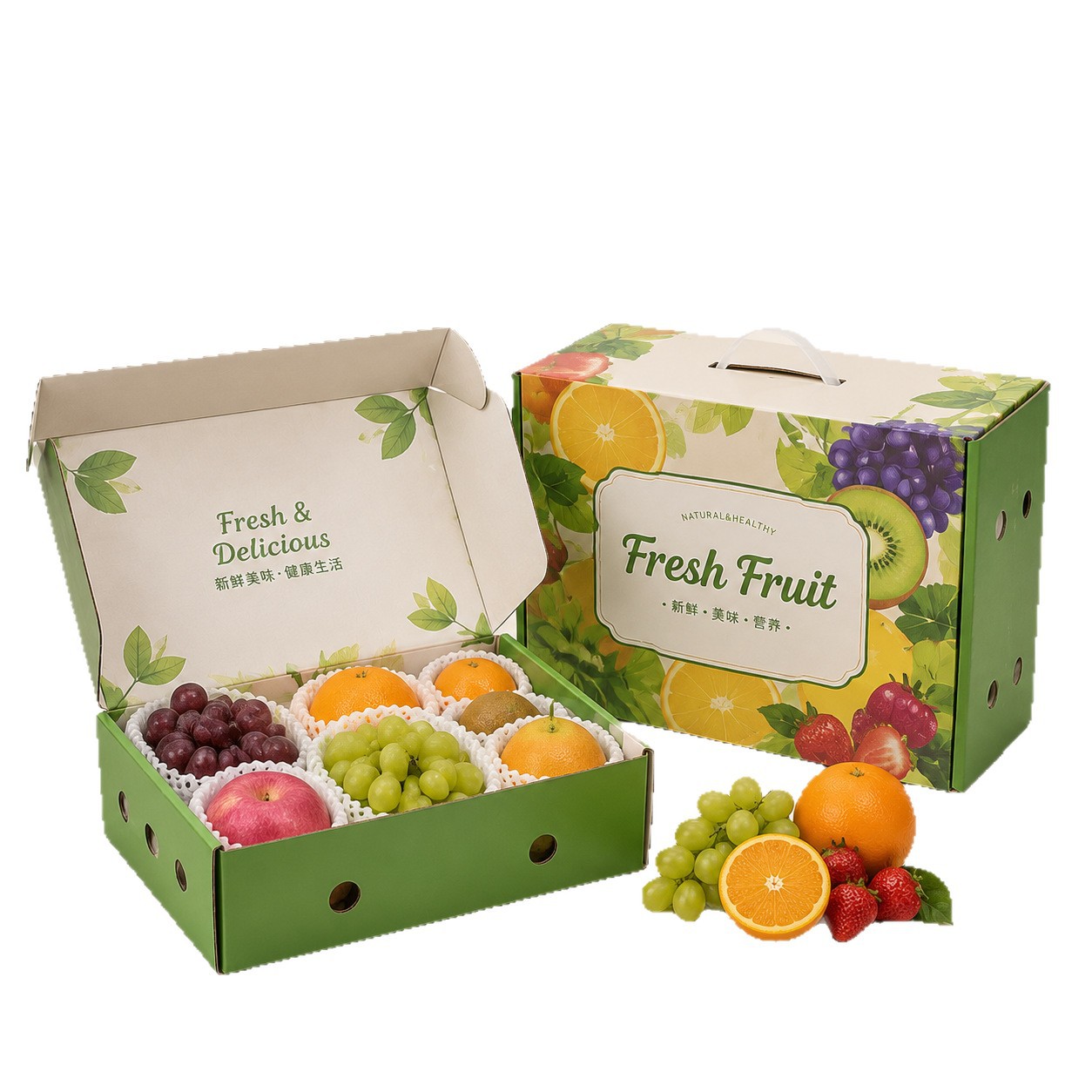
What Are Kraft Paper Boxes?
Kraft paper boxes are paper-based packaging boxes made from kraft paper, kraft paperboard, or related cardboard materials. They are widely used for product packaging, gift packaging, retail packaging, shipping, and e-commerce applications.
The natural brown appearance of kraft paper is commonly associated with simple and natural packaging designs. However, custom kraft paper boxes can also be printed with colors, logos, patterns, product information, and other brand graphics.
Common applications include:
Gift packaging
Food packaging
Cosmetic packaging
Retail packaging
E-commerce packaging
Product packaging
Fruit gift packaging
Clothing packaging
Promotional packaging
How to Make Kraft Paper Boxes Step by Step
The production process of kraft paper boxes can vary according to the box structure and material, but a typical manufacturing process includes the following steps.
Step 1: Choose the Kraft Paper Material
The first step is selecting the appropriate paper or paperboard material.
Common options include:
Kraft paper
Kraft paperboard
Recycled cardboard
Corrugated cardboard
White kraft paperboard
The material should be selected according to the product weight, box dimensions, required rigidity, printing requirements, and transportation conditions.
For lightweight gift packaging, thinner kraft paperboard may be sufficient. For heavier products or shipping applications, thicker cardboard or corrugated structures may provide additional support.
Step 2: Design the Box Structure
The next step is creating the box structure.
The box design determines:
Length
Width
Height
Thickness
Folding lines
Flap dimensions
Locking structure
Opening method
Interior space
For custom kraft boxes, the dimensions can be designed according to the actual product size.
Common structures include:
A well-designed structure can improve product fit, assembly efficiency, and packaging performance.
Step 3: Create the Artwork and Printing Design
If branding is required, the artwork is prepared before printing.
Custom printed kraft boxes can include:
Brand logo
Company name
Product name
Product information
Instructions
Patterns
Illustrations
Promotional messages
QR codes
Depending on the project, printing can use CMYK, Pantone, or other suitable printing methods.
For brands that prefer the natural appearance of kraft paper, a simple one-color logo can also create a clean and minimalist packaging style.
Step 4: Print the Kraft Paper
The approved artwork is then printed onto the kraft paper or paperboard.
Printing allows kraft boxes with logos to become part of the overall brand identity.
The printing method and ink should be selected according to:
Material type
Artwork
Required color accuracy
Printing quantity
Surface requirements
For larger packaging projects, professional printing equipment can provide consistent results across production batches.
Step 5: Die-Cut the Paperboard
After printing, the kraft paperboard is die-cut according to the box template.
Die-cutting creates the required:
Outer shape
Folding flaps
Locking tabs
Handle holes
Window openings
Special design elements
Custom die-cutting is especially important for custom kraft paper boxes because different products may require different structures and dimensions.
Step 6: Crease and Fold the Box
Creasing creates precise folding lines in the paperboard.
The scored material can then be folded along the designated lines to form the basic box structure.
Accurate creasing helps improve:
Folding accuracy
Box appearance
Assembly efficiency
Structural consistency
For mass production, automated equipment can help maintain consistent folding lines and dimensions.
Step 7: Glue or Assemble the Box
Depending on the box structure, adhesive may be applied to specific panels before the box is folded and assembled.
Some kraft cardboard boxes use self-locking structures and require little or no adhesive during final assembly, while other structures require gluing.
The appropriate assembly method depends on the box design and intended application.
Step 8: Add Optional Finishing
Additional finishing can be applied when a specific appearance or tactile effect is required.
Possible finishing options include:
Matte lamination
Gloss lamination
Embossing
Debossing
Foil stamping
Spot UV
Die-cut windows
For example, an embossed kraft paper box can feature a raised logo or pattern, creating a noticeable three-dimensional effect.
However, the use of coatings and finishing should be considered when recyclability is an important packaging requirement.
Step 9: Quality Inspection
Before shipment, finished kraft boxes should be inspected according to the approved specifications.
Quality inspection may cover:
Box dimensions
Material thickness
Printing quality
Color consistency
Die-cutting accuracy
Folding lines
Adhesive performance
Surface defects
Structural integrity
For customized packaging, samples are normally approved before mass production so the final production can follow the confirmed specifications.
Step 10: Packing and Shipping
After inspection, the finished boxes are counted, packed, and prepared for shipment.
For flat-folding packaging, boxes can often be packed flat to reduce storage and transportation volume.
The final packaging method depends on the box structure, order quantity, and customer's shipping requirements.
How Are Custom Kraft Boxes Made?
The production of custom kraft boxes follows the same general manufacturing process but includes additional customization based on the customer's requirements.
Customers can customize:
Size
Shape
Thickness
Color
Printing
Logo
Artwork
Box structure
Surface finishing
For example, a brand may require a 350 gsm kraft paperboard box with a customized logo, specific dimensions, and a die-cut window. The manufacturer can create the box structure and production specifications based on these requirements.
How to Make Kraft Paper Boxes with a Logo
If you need kraft boxes with logo, the basic process is:
Prepare the logo artwork.
Select the kraft paper or cardboard material.
Confirm the box dimensions and structure.
Choose the printing method and colors.
Print the logo onto the paperboard.
Die-cut and crease the printed material.
Fold and assemble the box.
Inspect the finished packaging.
The logo can be combined with other brand graphics to create custom printed kraft boxes for retail, e-commerce, gifts, and product packaging.
How to Make Kraft Cardboard Boxes for Shipping
For shipping applications, the manufacturing process focuses more on structural strength and product protection.
Kraft cardboard boxes for shipping may use thicker paperboard or corrugated cardboard.
Important factors include:
Product weight
Box dimensions
Transportation distance
Stacking requirements
Internal protection
Board thickness
Box structure
For heavier products, corrugated kraft boxes may provide better structural support than lightweight kraft paperboard boxes.
How to Make Eco-Friendly Kraft Paper Boxes
For brands focusing on sustainable packaging, material selection is an important part of the production process.
Potential material options include:
The complete packaging should also be evaluated because coatings, adhesives, inks, laminations, and other components can affect recyclability.
If a project requires FSC-certified materials or specific environmental claims, the applicable certification and product composition should be confirmed before production.
Benefits of Custom Kraft Paper Boxes
Flexible Customization
Custom kraft paper boxes can be produced in different sizes, shapes, thicknesses, colors, and structures.
Brand Printing
Custom printing allows brands to display logos, graphics, product information, and promotional messages directly on the packaging.
Natural Appearance
Kraft paper provides a recognizable natural paper appearance that works well with minimalist and rustic packaging designs.
Wide Range of Applications
Kraft packaging can be used for gifts, retail products, food products, cosmetics, e-commerce orders, and many other applications.
Bulk Production
Professional kraft paper box manufacturers can produce large quantities according to approved materials, specifications, artwork, and packaging requirements.
Applications of Kraft Paper Boxes
Kraft packaging boxes are used across many industries.
Common applications include:
Gift packaging
Fruit gift boxes
Food packaging
Cosmetic packaging
Jewelry packaging
Clothing packaging
Retail packaging
E-commerce packaging
Product packaging
Promotional packaging
Shipping packaging
For fruit and gift products, custom kraft gift boxes can combine product protection with attractive presentation.
For e-commerce businesses, kraft mailer boxes and kraft shipping boxes can provide practical packaging for product delivery.
Custom Kraft Paper Box Manufacturing
If you are producing packaging for commercial use, working with a professional kraft paper box manufacturer can simplify the entire process.
A manufacturer can handle:
Material Selection → Structural Design → Artwork → Printing → Die-Cutting → Creasing → Folding → Gluing → Quality Inspection → Packing
This production workflow is suitable for businesses that need consistent packaging quality and large-volume production.
Whether you need custom kraft boxes, custom printed kraft boxes, kraft cardboard boxes, or kraft gift boxes, the specifications can be developed according to your product and brand requirements.



 English