Most cardboard hangers look similar in a product photo, but the difference between one that holds a garment properly for years and one that sags within weeks comes down to six things: material, thickness, density, load capacity, structural design, and quality testing. Cheap alternatives cut corners on all six at once, which is why they're lighter, cheaper, and fail faster. This guide breaks down exactly what to check before ordering, so you're evaluating a supplier on real specs instead of a photo.
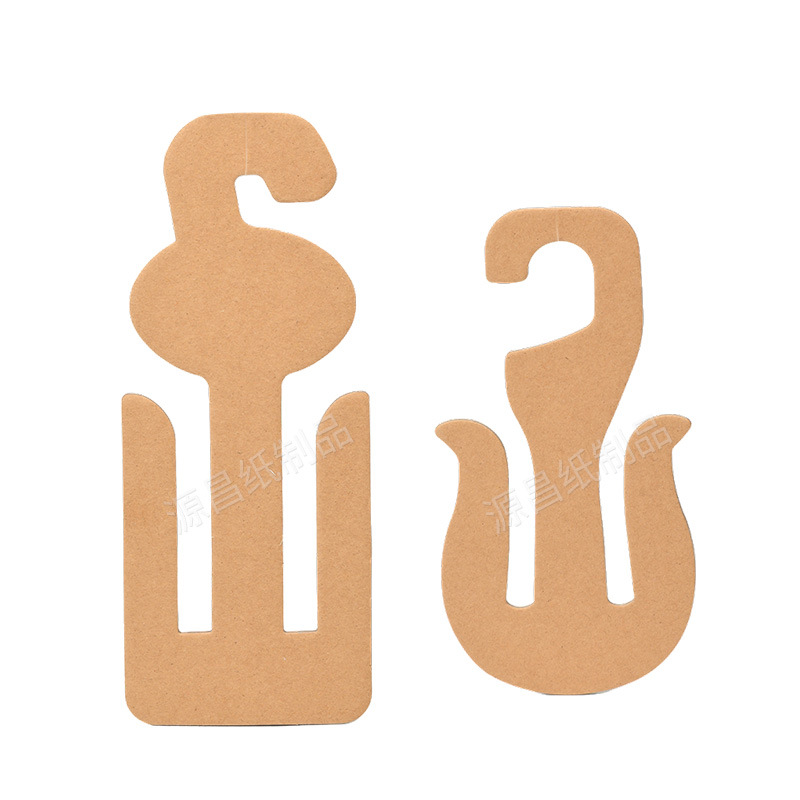
High-Quality vs. Low-Grade Cardboard Hangers: Key Differences
| Factor | High-Quality Hanger | Low-Grade Alternative |
|---|
| Material | Recycled cardboard, biodegradable, FSC-certified | Low-grade paper or thin cardboard, often non-recycled |
| Thickness | 2.5–3mm standard; 3.5–4mm reinforced for coats | 1–1.5mm, prone to bending |
| Density | 650–750 g/m² cardboard | 300–400 g/m² |
| Load-Bearing Capacity | 5–7kg for a single hanger | 1–2kg before deformation |
| Structural Design | Reinforced hook & crossbar, double-layer support | Flat, single-layer design |
| Manufacturing Process | Die-cutting, embossing, lamination, precision gluing | Simple cutting, minimal finishing |
| Quality Testing | ISO 9001-certified, stress & load tests, batch inspection | Rarely tested, no standardized procedure |
| Eco Compliance | Biodegradable, recyclable, sustainable | Usually non-recyclable, limited eco-certification |
What to Check Before You Order
1. Material and Certification
Ask specifically whether the material is FSC-certified recycled cardboard, not just "eco-friendly" as a marketing claim. Low-grade paper or thin, non-recycled cardboard can still be marketed as sustainable without meeting any actual certification standard — the certification itself is what you should ask to see.
2. Thickness and Density
Thickness and density work together to determine rigidity. A hanger at 1–1.5mm thickness and 300–400 g/m² density will bend under a heavier garment, while 2.5–3mm at 650–750 g/m² holds its shape. For coats and heavier outerwear, look for a reinforced version in the 3.5–4mm range rather than assuming a standard hanger will hold up.
3. Load-Bearing Capacity
Ask for the tested load capacity in kilograms, not a vague durability claim. A well-built hanger holds 5–7kg without deforming; a low-grade one can start bending under 1–2kg — the difference between a hanger that lasts through repeated retail handling and one that fails on the rack.
4. Structural Design
Look closely at the hook and crossbar — these are the points that fail first under load. A reinforced hook with double-layer support at the crossbar distributes weight far better than a flat, single-layer cutout, which is the most common shortcut in cheaper hangers.
5. Manufacturing Process
Die-cutting, embossing, lamination, and precision gluing all add cost but also add strength and finish quality. Simple cutting with minimal finishing is faster and cheaper to produce, but it shows up as rough edges, weaker joints, and less structural integrity in the finished hanger.
6. Quality Testing
Ask whether the supplier performs stress and load testing with batch inspection, or whether testing is informal and inconsistent. ISO 9001 certification is worth confirming directly — it indicates a documented, repeatable quality process rather than testing done on an ad hoc basis.
Sourcing hangers for a retail or apparel brand? Send us your garment type and volume, and we'll recommend the right thickness and structural spec for your needs within 24 hours.
Matching the Hanger to the Garment
Standard clothing (shirts, dresses, light jackets): 2.5–3mm cardboard with standard hook and crossbar reinforcement
Coats and heavier outerwear: 3.5–4mm reinforced construction with double-layer crossbar support
Custom branding needs: full color printing, logo embossing, and die-cut hook styles for retail presentation
Frequently Asked Questions
A paper hanger is a hanger made from cardboard, recycled paper, or other eco-friendly materials, designed to support garments while minimizing environmental impact.
2. How can I tell if a cardboard hanger is actually high-quality?
Check the material certification (FSC-certified recycled cardboard), thickness (2.5mm or more for standard use), density (650+ g/m²), and whether the supplier can provide tested load capacity and quality inspection documentation rather than general durability claims.
3. Are Paper Hangers strong enough for coats and jackets?
Yes, provided they're built for it — reinforced hangers at 3.5–4mm thickness with double-layer crossbar support are designed specifically for heavier garments like coats and jackets, unlike standard-weight hangers meant for lighter clothing.
4. Can cardboard hangers be customized?
Yes. Full color printing, logo embossing, die-cut shapes, and different hook styles are common customization options for brands looking to align hangers with their retail presentation.



 English