


 English

Choosing the right Custom Color Box comes down to matching the material, printing method, and surface finish to your product's weight and presentation needs, then confirming size and minimum order quantity fit your budget. Getting these details right up front saves a round of costly reprints or a box that looks great but doesn't hold up during shipping or retail handling.
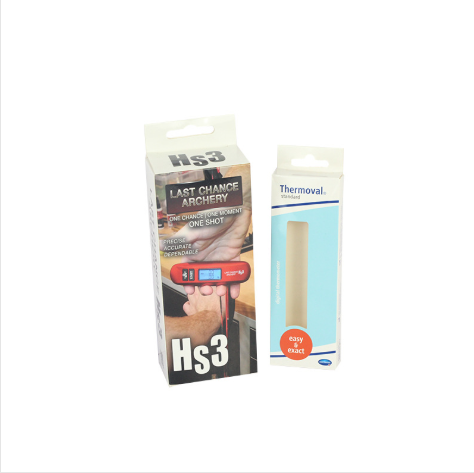
Start With What The Box Needs To Protect
Before comparing paperboard weights or printing techniques, it helps to be clear on what the box is actually protecting—lightweight items like cosmetics or accessories have very different structural needs than heavier products like electronics or glass containers. A box built for a delicate, low-weight product doesn't need the same reinforcement as one that has to survive shipping, which affects nearly every other decision that follows.
Choose A Material Based On Durability And Look
Custom Color Boxes are typically made from a few common materials, each with a different balance of strength and cost:
Coated paperboard — smooth, high-quality surface that's ideal for vibrant color printing; best for lighter retail products
Kraft paperboard — a more natural, recycled look with a slightly rougher texture, often chosen for an eco-friendly brand image
Corrugated cardboard — added structural strength for heavier products or boxes that need to withstand shipping
Rigid paperboard — thicker, more premium feel, typically used for higher-end retail or gift packaging
If color vibrancy and brand presentation matter most, coated paperboard usually performs best. If the box needs to survive transit or hold more weight, corrugated or a heavier board is the safer choice.
Match The Printing Method To Your Design
The printing technique affects both cost and how the final box looks:
Offset printing — the standard choice for high-volume orders needing consistent, accurate color
Digital printing — more cost-effective for smaller runs or designs that change frequently
Screen printing — useful for bold, simple designs, especially on textured materials like kraft
Smaller brands or those testing a new product line often start with digital printing to keep upfront costs down, while larger, consistent orders tend to make offset printing more cost-efficient per unit.
Decide On A Surface Finish
Surface finishes affect both feel and perceived value—gloss lamination makes colors pop and gives a polished look, matte lamination offers a softer, premium feel that resists fingerprints, and uncoated finishes keep costs lower while suiting a more natural, minimalist aesthetic. This choice often comes down to brand positioning as much as budget.
Check Sizing And Minimum Order Quantity
Custom Color Boxes are typically available in fully custom sizes and shapes, but it's worth confirming the minimum order quantity (MOQ) before finalizing a design, since MOQs can vary significantly between simple color boxes and more complex structural designs. If you're testing a new product or ordering for the first time, ask specifically about lower-MOQ options rather than assuming standard bulk pricing applies.
Making The Final Decision
Choosing the right custom color box comes down to being honest about what the product needs structurally, picking a material and finish that matches your brand's positioning, and confirming the printing method and MOQ fit your order size. Get these right, and the box does its job both functionally and as a piece of your brand's first impression.